
Jackfruit, the fruit of breastmilk abundance in the postnatal period
There is a quiet fear that lives in many new parents.
It often arrives in the early days when nights blur together, when the baby cries and feeds again and again, when your body feels unfamiliar and your confidence feels thin. And beneath all of it, one thought can surface again and again:
“Am I making enough milk?”
This worry is almost universal. It crosses cultures, languages, and generations. Because feeding a newborn touches something deeply emotional: our sense of being enough.
The body learns through demand
One of the most important truths about breastfeeding is also one of the hardest to trust at first: the body responds to the baby.
Milk production works on a simple principle of supply and demand. The more a baby feeds, the more signals the body receives to produce milk. In the early days, this can feel relentless with cluster feeding, long nights, constant closeness.
Your baby is not just getting nutrients from you, they are teaching your body how to nourish them.
Over time, this rhythm becomes more steady and milk supply builds. What feels uncertain in the beginning often settles into a natural balance.
The emotional weight behind feeding
The fear of “not enough milk” is rarely just about milk.
It connects to something deeper, the quiet belief many parents carry: “What if I am not enough? What if I am not doing this right? What if I am failing my child?”
These thoughts are incredibly common, especially in the early postpartum period when sleep deprivation, hormonal changes, and pressure collide.
This is where simple affirmations can become powerful anchors.
“I have enough milk for my baby.”
“I am learning my baby’s needs.”
“My body knows how to nourish my child.”
These affirmations can gently interrupt that spiral of fear. They remind the nervous system that uncertainty is a part of life and you are doing the best that you can.
Food, land, and postpartum nourishment
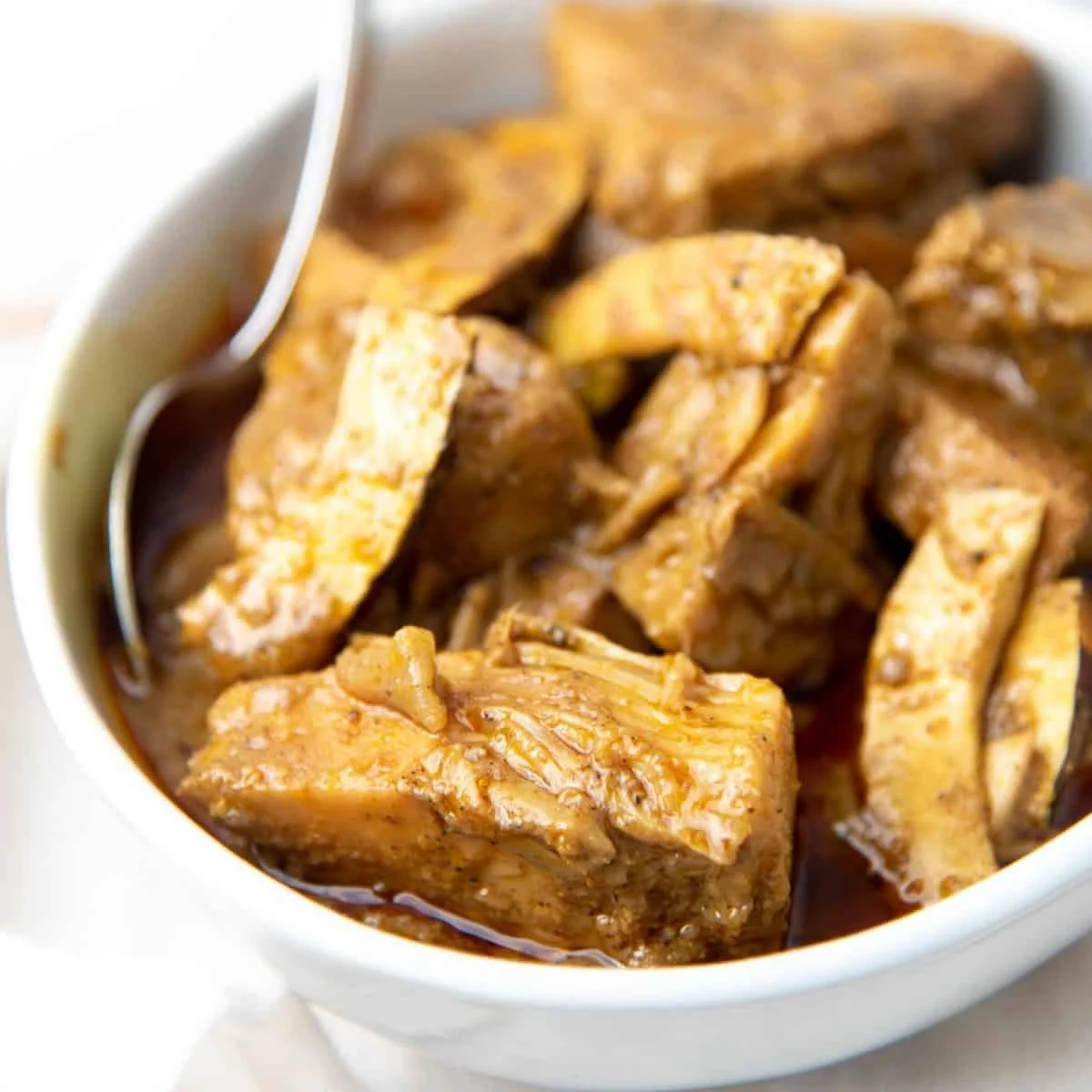
In many traditions, food is also part of this reassurance.
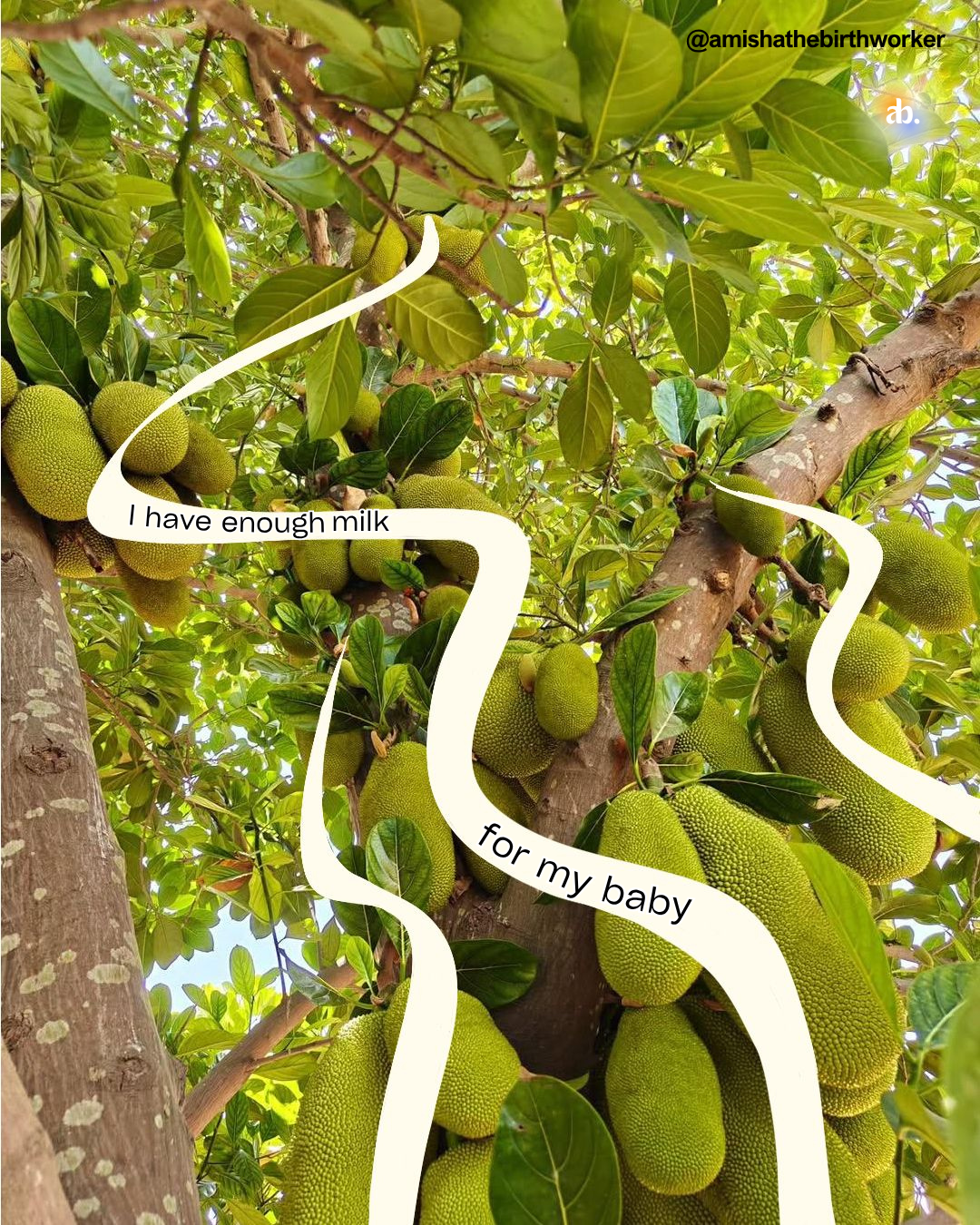
In Sri Lanka, postpartum nourishment has long been supported through local, grounding foods. One of the most valued is jackfruit, a tree that grows generously across the island, deeply woven into daily life and agriculture.
In the language of Ayurveda, jackfruit is considered nourishing and strengthening, a food that supports rebuilding after birth. Cooked with coconut milk and warming spices, it becomes a dense, restorative meal often shared with new mothers. Alternatively, it can be prepared as a mallung with grated coconut.
But beyond its nutritional qualities, jackfruit carries symbolism: abundance, continuity, and the idea that the land itself participates in care. One tree can produce enormous fruit, feeding a household for days. It is a reminder that nourishment does not always come in small measures.
Different cultures, different pressures
In some countries, breastfeeding is highly visible and widely supported as the default way to feed a newborn. In others, parents often navigate a more mixed environment, where formula feeding is common, heavily marketed, and sometimes positioned as equally or more convenient in public messaging.
In the UK, many parents find themselves surrounded by conflicting advice, limited feeding support after birth, and commercial messaging from infant formula companies. In Sri Lanka, breastfeeding is more commonly the cultural norm in early infancy, and many families grow up seeing it as the expected first form of nourishment.
The early weeks of feeding are not a test you pass or fail. They are a period of adjustment for both baby and parent.
“I have enough milk for my baby.”
This is a reminder that with the right support and encouragement, you and your baby can share a beautiful breastfeeding journey.
You Deserve to Be Cared For Too
The postnatal period is often described as the fourth trimester—a time of immense physical recovery, emotional adjustment, and getting to know your baby. Yet for many new parents, it's also a time when they feel expected to manage everything on their own.
Across South Asian cultures, the weeks after birth have traditionally been seen as a time for rest, nourishment, and community care. While these traditions may look different today, the need for support remains just as important.
As a postnatal doula based in London, I provide compassionate, practical, and culturally sensitive support to help you recover from birth, care for your baby, and feel nurtured during the early weeks of parenthood. Whether you need a listening ear, help with newborn care, nourishing meals, feeding support, or simply someone to remind you to rest, I'm here to support you.
If you're expecting a baby or are already in the postnatal period, I'd love to hear from you.
Book a free discovery call to learn more about my postnatal doula services and how I can support you and your family during the fourth trimester.