
Placenta traditions across four South Asian countries
As I began my journey into birthwork, I realised that consuming the placenta is fairly common and has roots in several cultures. However, from speaking to South Asian elders, traditional midwives and doing my own research, it has become apparent that consuming the placenta after birth is not something that is commonly practiced in our cultures. Instead, the placenta may be disposed of by burying it. Some of the reasons for this were to keep an enemy or evil spirit from seizing it and influencing the well-being and longevity of the child.
Many families today find personal meaning with placenta burial ceremonies. Some create rituals celebrating the completion of the pregnancy and birth, and honouring a progression into parenthood. Families also recognise the life-giving properties of the placenta and bury it as an offering of nourishment to the land and a blessing to the earth.
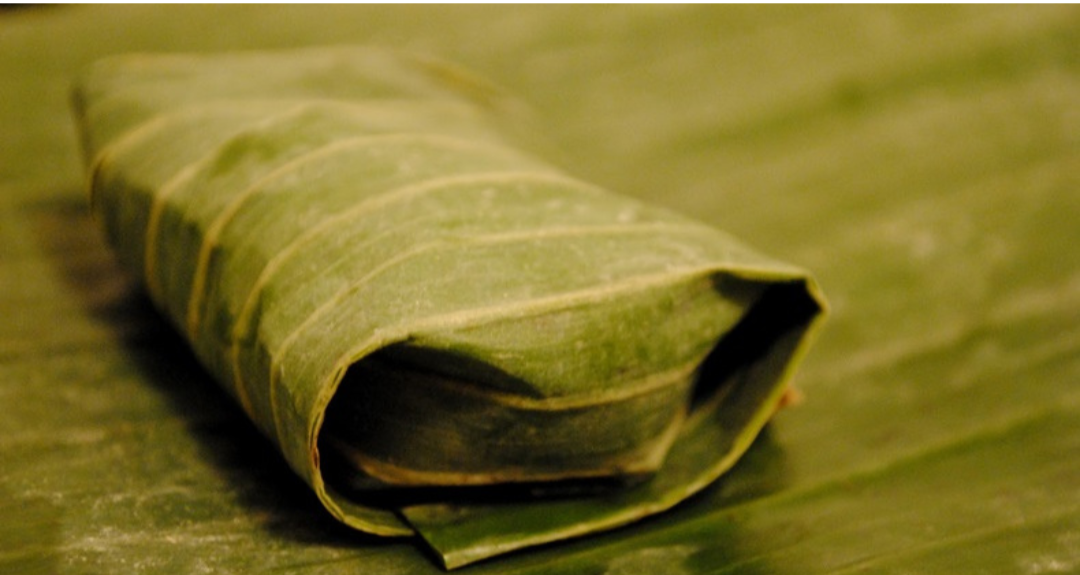
Bangladesh
In parts of Bangladesh, the placenta is put in a banana leaf or an earthen pot and buried deep down in the earth so that no animal or evil spirit can reach it. If either one touches the placenta, it is believed that it may cause drying up of the mother's milk, inflicting diarrhoea to the child or even neonatal death.
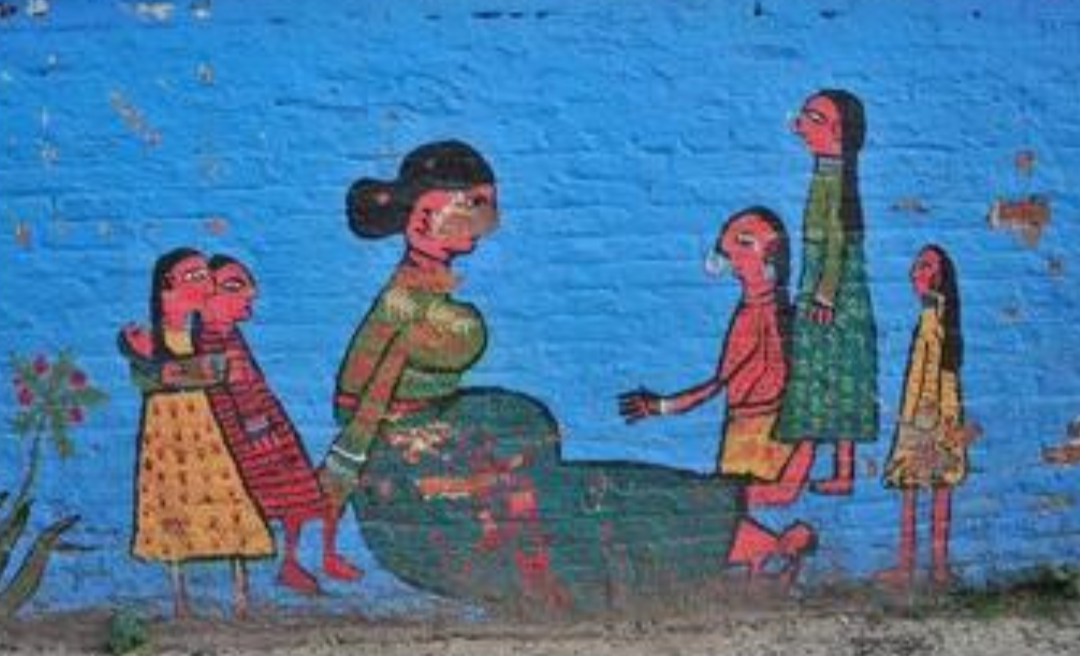
2. Nepal
The Nepalese treat the placenta as a friend of the baby. In fact, the name ‘bucha-co-satthi’ is directly translated as meaning ‘baby’s friend’. It therefore must be protected by burial underground.

3. The Maldives
In some of the Maldivian islands, after the birth the placenta is delicately placed in a soft, young coconut shell (kihah). Afterwards it is buried on the island with a coconut palm planted at the same spot. And so the islanders have growing, along the length of their lives, a palm which was planted at the moment they were born. A reminder of how they are intimately connected to the land.
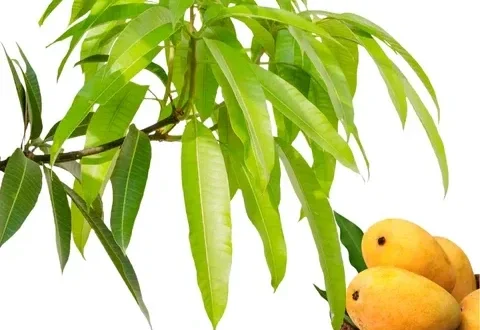
4. Sri Lanka
In areas of Sri Lanka, the placenta is burned outside the entrance to the house. A stone is placed on top of the placenta and it is wrapped with a rope to which mango and margosa leaves are tied. This ritual is believed to prevent evil spirts from entering the house. This symbol remains for 30 days to signify that only those attending to the new parent are to enter the home to support with postnatal healing.
Since countries are colonial categories there are undoubtedly multiple traditions across these regions among people of different groups. Do you know of any other South Asian placenta traditions?
Every family carries traditions, stories, and beliefs that shape how they experience pregnancy, birth, and the transition into parenthood. Whether those traditions have been passed down through generations or are being rediscovered for the first time, they deserve to be acknowledged and respected.
As a South Asian birth doula based in London, I am passionate about supporting South Asian families to navigate pregnancy, birth, and the postnatal period with confidence, compassion, and culturally sensitive care. I understand that our experiences of birth are often shaped not only by our individual choices but also by our families, communities, faiths, and cultural heritage.
If you're looking for a doula who understands the unique experiences of South Asian families and is committed to helping you have an informed, positive, and supported birth experience, I'd love to hear from you.
Book a free discovery call to chat about your pregnancy, your hopes for birth, and how I can support you and your family every step of the way.